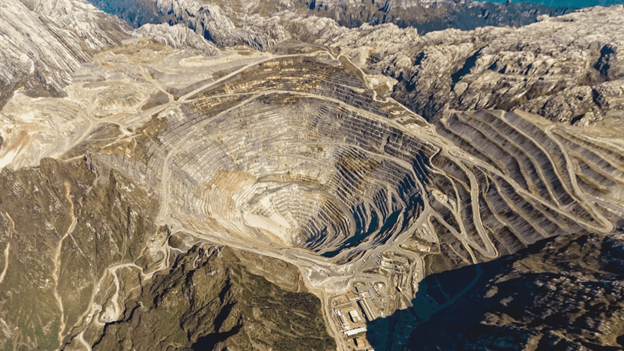
Bring up “gold stocks” at a cocktail party. People envision one thing: a gold major like Newmont or Barrick that runs some giant pit in Africa or Australia.
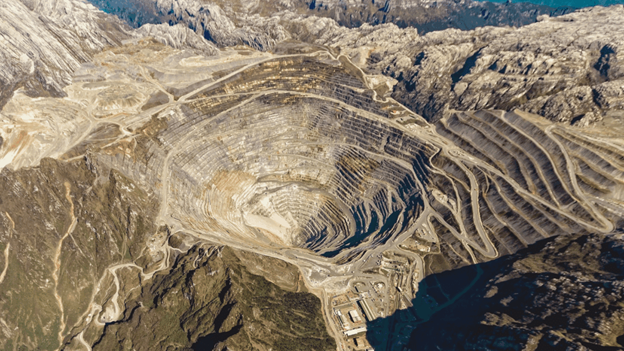
Such companies run on cash, oil, blood and sweat, but mostly cash.
Everything a gold miner does is extremely cash intensive. Buying property, exploration, development, permitting, auditing, assaying, wages, equipment, fees, energy – it’s a non-stop drawdown from every angle.
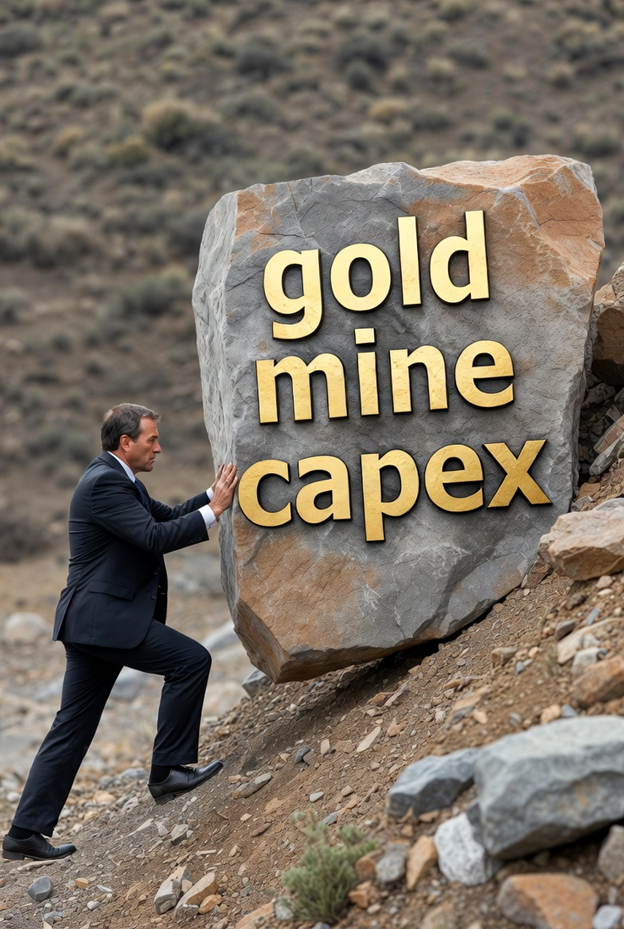
If you pay attention to the market for very long, you notice it’s a coin flip if they’ll even outpace gold – and no wonder. It takes razor sharp business management and efficiency to stop gold mine costs from outpacing gold mine profits.
(I’m leaving aside gold juniors and mid-caps for now, which are a different story altogether because they can generate value in excess of their market caps for a variety of reasons.)
But as a reader of this publication, you know there’s another, totally different kind of business that falls under the “gold stocks” umbrella: gold royalties and streamers.
You know they have massive upside to moves in the price of the metal, they have very low overhead, and they get sweetheart royalty deals that pay out for decades after a relatively small up front investment.
You know they’ve been some of the most successful businesses in the history of the stock market.
But how do you even evaluate this kind of company? Royalties are so much different from the miners. It’s hard to even imagine two businesses that have less in common. The only thing they have in common is the end-product itself.
One way to think about these businesses is to look at what happens to their earnings after all the bills have been paid and it’s just a pile of cash on the balance sheet.
As you know, every gold mine is a diminishing asset the day it starts to produce gold. If no other action is taken, a gold mine gradually sells all of its economic gold, and that’s the end of the business.
In order to stave off the “end of the mine” event, gold miners MUST continually buy more property, either by doing their own exploration or by acquiring smaller gold mines.
In practice, this circumstance means they have to spend down a good chunk of their cash, or otherwise fund new mines with share dilution, debt or some combination of all three.
Consider that gold majors like Barrick and Newmont spend about half of their free cash flow every year on a combination of acquisitions, mine development and existing mine upkeep. That’s a major handicap!
None of these practices are good for the share price!
Contrast this scenario with what happens to cash in the hands of royalties. For one, royalty firms don’t have to continually buy more assets. They can wait for favorable terms and deploy capital when it’s advantageous in terms of ROI. They’re not just doing CAPEX to stay alive, they’re making long term investments that can create compound interest.
But royalty firms also tend to return cash to shareholders. Famously, big royalty firms like Royal Gold and Franco Nevada have raised their dividend for years…
Now, if you were the sole owner of a gold mine, you might be content to simply funnel the cash profits to your bank account until the mine was spent instead of rolling the dice on finding more gold elsewhere.
But for gold mine management teams, that would mean they were out of a job – which means there’s always a conflict of interest at the margins for gold mine execs. They need to keep the business moving, even if it means throwing cash at projects that might not pan out.
The difference in how you need to evaluate these two business models is massive.
I won’t bore you with the financial models, but the math works out so that every $1 on the balance sheet today is worth about 3X more over the next five years in the hands of your average royalty firm than it is in the hands of a productive gold miner.
That 3X comes from the royalty’s ability to see long term value-add from a one-time payment, as opposed to the endless, continual capex for the miner. Royalties are just that much more efficient with capital.
Over the long term, this 3X itself is compounding. It’s why Franco Nevada’s long term stock chart looks like this:
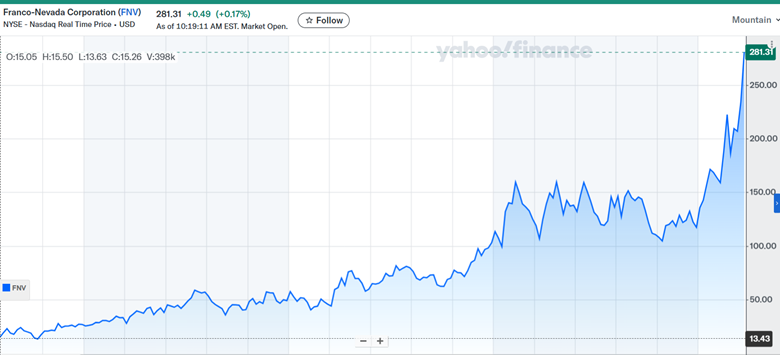
(Up 1,768% in 18 years)
And Barrick’s looks like this over the same period:
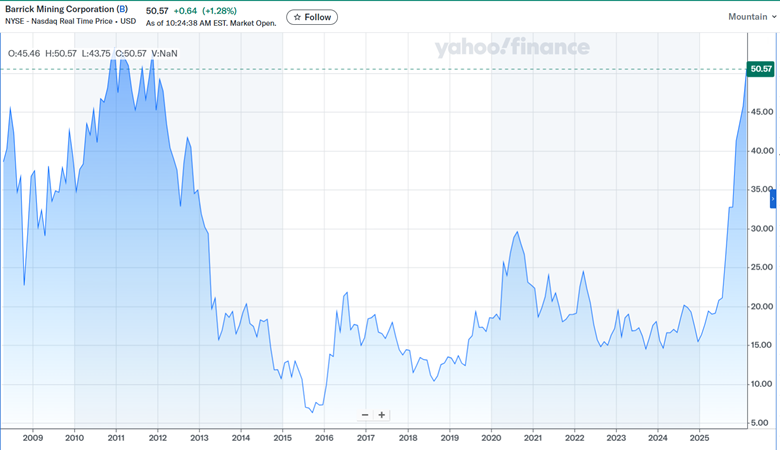
(Up ~30% in 18 years… underperforming gold)
I’m not just picking on Barrick here. All gold majors have a sisyphean task. It’s inevitable that they will make a bad deal, squandering cash and crushing the share price.
That’s why I’m so excited about what’s coming for royalty firms. The future is going to be very bright…
Best,
Garrett Goggin, CFA, CMT
Lead Analyst and Founder, Golden Portfolio